Be Yourself SVG: Trendy & Boho Embroidery Design Review
A Designer’s First Look: Light, Lyrical, and Loaded With Intent
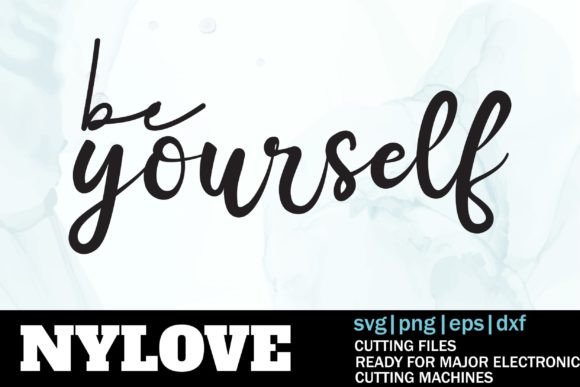
When I opened the Be Yourself Svg, Trendy SVG, Boho Svg file set, my first impression wasn’t about technical specs—it was about *feeling*. The design carries a gentle confidence: soft curves, airy lettering, and subtle organic flourishes that nod to boho sensibility without leaning into clutter. It’s not bold or aggressive; it’s warm, inclusive, and quietly intentional—exactly the kind of energy that lands well on handmade apparel and personalized gifts. As a designer who regularly selects embroidery files for client projects and small-batch production, I immediately pictured this stitched onto a natural linen tote bag for a local boutique—a piece meant to be seen, held, and lived with.
Where This Design Truly Shines (and Where It Needs Care)
The Be Yourself Svg, Trendy SVG, Boho Svg works beautifully as a machine embroidery design for relaxed, lifestyle-oriented products. I tested a mockup on a medium-weight cotton sweatshirt—and the result felt cohesive and handcrafted, not generic. Its open spacing and moderate line weight translate well into satin stitch outlines and light fill stitch areas, especially when paired with matte cotton or bamboo thread. It reads clearly at 3.5"–4.5" wide, making it ideal for teen shirt embroidery, pillow covers, kitchen towels, and even baby onesies (with simplified stitching and careful stabilizer choice).
That said, its charm comes with real-world caveats. On stretchy fabric like jersey tees or curved surfaces like caps, the delicate terminals and thin connecting strokes can distort if hooping isn’t precise or stabilizer isn’t layered thoughtfully. On dark fabric, fine details may blur unless you use high-contrast thread (e.g., cream on navy) and avoid overly dense fill areas. And while the design includes a clean, legible “Be Yourself” phrase, the decorative elements—think trailing vines or minimalist dots—aren’t built for tiny hoop sizes under 4". If you’re planning embroidered patches or cap front designs, simplify or rework those accents before digitizing.
Real Project Test: A Boutique Tote Bag Launch
Last month, I used the Be Yourself Svg, Trendy SVG, Boho Svg as the centerpiece for a limited-run embroidered tote collection—intended for a local women’s wellness shop. We chose unbleached canvas, medium-cut stabilizer, and soft ecru thread. The result? Customers responded strongly—not just to the message, but to how *balanced* the finished product felt. The lettering stayed crisp, the negative space breathed, and the overall handmade product looked intentional, not rushed. That tells me this design supports brand consistency and giftability far better than many “trendy” graphics that sacrifice legibility for flair.
What didn’t work? Trying to scale it down to 2.75" for a matching keychain pouch. The inner curve of the “B” and the tail of the “f” lost definition. Lesson learned: this design earns its presence best at mid-range sizes, where its personality has room to land.
Design Assets That Support Real Craft Business Needs
One thing that stands out is the thoughtful file variety in the ZIP: 1 SVG, 1 PNG, 1 DXF, 1 EPS, and 1 PDF. As an embroidery designer and Etsy seller, I appreciate having vector formats (SVG, EPS, DXF) for resizing without quality loss—and the PNG is perfect for quick printable mockups or social media previews. The PDF serves well for client handoffs or style guide references. Since this falls under Print Templates and Graphics, it’s flexible—but remember: vector files aren’t embroidery files by default. You’ll still need to digitize for machine embroidery or confirm the seller included pre-digitized versions (they didn’t list them, so verify before stitching).
This matters most for craft business owners juggling multiple platforms. If you’re listing on Etsy as a digital embroidery file seller, double-check licensing terms before reselling or bundling. If you’re using it for custom apparel or embroidered patch production, test stitch density and thread tension on scrap fabric first—especially if your project involves frequent washing (like tea towels or baby items). Overly dense fills here could lead to stiffness or cracking over time.
Practical Notes Every Embroidery Designer Should Keep Handy
- Always test on scrap fabric—especially with textured or lightweight materials like chambray or rayon blends.
- Check thread color contrast early. This design relies on clarity, not opacity. Avoid low-contrast combos like grey-on-charcoal.
- Review stitch density manually if digitizing yourself. Light fill stitches work better than heavy satin coverage for the boho vibe.
- Confirm hoop size compatibility. At full detail, aim for at least a 5" x 7" hoop to preserve flow and spacing.
- Inspect small details—especially the joins between letters and decorative elements—before finalizing for production.
- Test black-and-white mockups to gauge visual weight and recognition at a glance.
- Compare light vs. dark fabric backgrounds in your design software—some flourishes disappear on black without adjustment.
- Use proper stabilizer: medium tear-away for stable fabrics, cut-away for knits or baby items.
- Verify commercial use rights before selling finished products or digital embroidery files—this is critical for Etsy sellers and small shop owners.
Final Thought: A Quietly Effective Design Asset
The Be Yourself Svg, Trendy SVG, Boho Svg isn’t flashy—but it doesn’t need to be. In a market saturated with loud, over-digitized graphics, it offers something rarer: quiet cohesion. It supports emotional resonance without sacrificing craftsmanship. Whether you're building a holiday embroidery collection, launching a line of personalized gifts, or creating custom apparel for a small shop, this design delivers consistent visual appeal and real-world stitchability—if you respect its natural scale and texture needs. For embroidery designers and creative entrepreneurs who value intention over impulse, it’s a reliable, mood-aligned asset worth keeping in rotation.